How to Become a Kayak or Canoe Instructor (2026 Guide)
5 May 2026
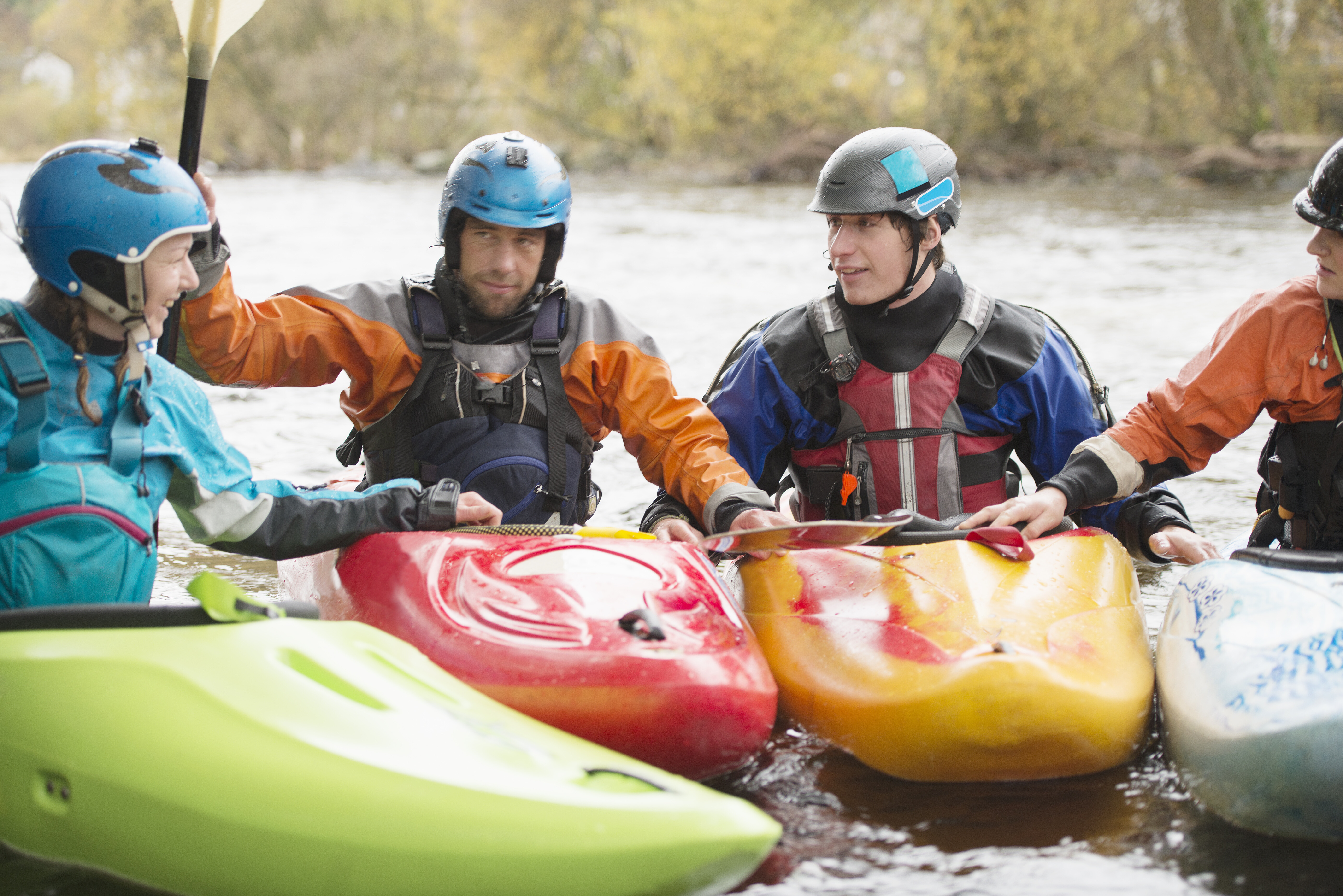
How to Become a Kayak or Canoe Instructor (2025 Guide)
Paddlesport instruction is one of the most versatile careers in the outdoor and watersports industry. Kayak and canoe instructors work across an enormous range of environments — from flatwater lakes and sheltered estuaries to white-water rivers and exposed sea kayaking routes — and the skills are in demand at activity centres, outdoor education providers, adventure tourism operators, and paddling clubs worldwide.
If you're a capable paddler looking to turn time on the water into a career, this guide covers every step of the process.
What Does a Kayak or Canoe Instructor Do?
Kayak and canoe instructors teach students of all ages and abilities to paddle safely and confidently. Depending on your specialism, you might be running beginner sessions on a sheltered lake, coaching whitewater technique on a grade 3 river, or leading multi-day sea kayaking expeditions along a coastal route.
The role combines strong personal paddling ability with teaching skill, group management, and sound safety judgement — particularly in moving water and open coastal environments where conditions can change quickly.
Step 1: Build Your Paddling Experience
Before any certification body will consider you for instructor training, you need to be a capable, experienced paddler with a broad and well-documented skill set. Strong personal technique is only part of it — instructors also need environmental awareness, sound judgement, and experience managing themselves confidently in a range of conditions.
How to build your experience:
Join a local paddling club or canoe club and paddle regularly
Progress through structured courses in your chosen discipline (flatwater, whitewater, sea kayaking)
Paddle in a range of environments: sheltered lakes, tidal estuaries, rivers of varying grades, open coastline
Develop core rescue skills: self-rescue, assisted rescue, and group management in moving water
Log your paddling trips and hours — most programmes require documented experience
Volunteer or assist at paddling clubs and junior coaching sessions
The more discipline-specific your experience, the more focused your instructor pathway can be. Flatwater, whitewater, and sea kayaking all have distinct certification tracks — decide early which direction suits your ambitions.
Step 2: Choose Your Certification Path
Three organisations dominate paddlesport instructor certification. Your choice depends on location, discipline, and where you want to work.
British Canoeing
British Canoeing is the UK's national governing body for paddlesport and one of the most internationally respected certification frameworks in the world. Their instructor and leadership qualifications cover the full range of disciplines — canoe, kayak, white water, sea kayaking, and SUP — with a well-structured progression from Foundation to Coaching levels. If you plan to work in the UK, Europe, or at international centres that hire to UK standards, British Canoeing is the benchmark qualification.
American Canoe Association (ACA)
The ACA is the leading paddlesport certification body in the USA and is widely recognised internationally, particularly across North and South America. Their instructor programmes cover flatwater, whitewater, and sea kayaking, with multiple certification levels in each discipline. For instructors planning to work in the US or the Americas, ACA is the standard employers expect.
International Canoe Federation (ICF)
The ICF is the global governing body for canoe sport and provides instructor and coaching frameworks with broad international recognition. ICF credentials are particularly relevant for instructors working in competitive and performance paddling contexts, or in countries where neither British Canoeing nor ACA has a strong foothold.
In practice: British Canoeing for UK and European markets; ACA for the Americas; ICF for global competitive and coaching pathways. Many experienced instructors working internationally hold both British Canoeing and ACA qualifications.
Step 3: Meet the Prerequisites
Entry requirements vary between organisations and discipline levels. Always confirm directly with your training provider, but expect the following as standard.
Typical prerequisites:
Requirement Detail Minimum age 16–18 depending on level and organisation Paddling ability Advanced technique in chosen discipline; rescue skills Logged experience Minimum trip/hour requirements for most programmes First aid / CPR Required, current (paddling-specific first aid often preferred) Swimming ability Strong swimmer; must be comfortable in moving water Rescue skills Self-rescue and assisted rescue proficiency
Whitewater and sea kayaking instructor pathways typically have higher entry standards than flatwater. If you're targeting these disciplines, allow extra time to develop the required technical and safety skills before applying.
Step 4: Complete Your Instructor Training Course
Instructor courses in paddlesport typically run 2–5 days, with length varying by organisation, discipline, and certification level. Expect a mix of on-water coaching practice, classroom theory, and peer assessment.
Core topics covered:
Lesson planning and progressive skill development frameworks
Teaching beginners from first strokes through to independent paddling
Coaching technique and giving effective feedback on the water
Safety briefings, hazard identification, and site assessment
Rescue techniques: throw lines, tow lines, contact towing, and swimming rescues
Group management in flatwater, moving water, and coastal environments
River and coastal reading: understanding flow, tides, wind, and weather
Risk management and emergency action planning
Discipline-specific tracks:
Discipline Typical duration Environments covered Flatwater kayak / canoe 2–3 days Lakes, sheltered rivers, reservoirs White water kayak 3–5 days Graded rivers, moving water Sea kayaking 3–5 days Coastal, tidal, open water Open canoe 2–4 days Flatwater and touring routes
Many instructors start with a flatwater qualification and add whitewater or sea kayaking endorsements over subsequent seasons as their experience deepens.
Step 5: Pass Your Instructor Assessment
The final assessment covers both your paddling ability and your teaching. Assessors evaluate:
Technical paddling proficiency in discipline-appropriate conditions
Structured, clear lesson delivery for beginners and improvers
Safety awareness and sound judgement in varied environments
Effective rescue technique and group management
Ability to adapt your coaching style and respond to student needs
In whitewater and coastal disciplines in particular, assessors are looking for demonstrated experience and calm decision-making under pressure — not just technical competence in benign conditions.
Step 6: Gain Your First Teaching Experience
Certification qualifies you to teach — it doesn't automatically make you a confident instructor. Your first season is where real development happens.
Where to find early teaching experience:
Outdoor education centres and activity camps
British Canoeing or ACA-affiliated paddling clubs with junior or adult programmes
Adventure tourism operators offering guided paddling and instruction
Summer camps and residential outdoor education providers
Holiday activity centres in coastal and lake districts
Browse kayak and canoe instructor jobs on BoatyJobs →
Strong UK markets for paddlesport instructors include the Lake District, Scottish Highlands, Welsh rivers and coastline, and the Norfolk Broads. Internationally, instructors work across Alpine rivers, Scandinavian touring routes, and coastal kayaking destinations in New Zealand, Canada, and the Mediterranean.
Step 7: Pursue Advanced Certifications and Specialisations
Once established as an instructor, additional qualifications significantly increase your career options and earning potential.
White water kayak instructor — higher demand, higher pay, more challenging environments
Sea kayak leader / coach — for multi-day expeditions and coastal touring leadership
British Canoeing Coach — for performance coaching and club development roles
Open canoe specialist — for wilderness touring and expedition leadership
SUP instructor endorsement — natural complement at watersports centres
Outdoor first aid / remote first aid — essential for expedition and wilderness roles
Mountain Leader or equivalent — broadens employability at multi-activity outdoor centres
Step 8: Keep Your Certification Valid
Paddlesport instructor certifications require periodic revalidation. British Canoeing qualifications typically require revalidation every five years, involving logged teaching hours and an up-to-date first aid certificate as a minimum.
Stay current by:
Logging teaching sessions and paddling hours throughout each season
Keeping first aid certification in date — paddling-specific qualifications preferred
Completing revalidation before your certification expiry date
Attending CPD workshops, club coaching days, or national association events
Staying current with evolving safety practices, particularly in white water and coastal environments
How Long Does It Take to Become a Kayak or Canoe Instructor?
For someone starting from scratch, expect 2–4 years to develop the required paddling proficiency and gain certification. If you're already an experienced paddler with solid technical skills and logged water time, the instructor pathway could be completed within 6–12 months.
Whitewater and sea kayaking pathways generally take longer than flatwater routes, due to the higher technical and experience entry bar.
How Much Do Kayak and Canoe Instructors Earn?
Paddlesport instruction is often combined with other outdoor or watersports disciplines, particularly at multi-activity centres.
Entry-level / seasonal: £18,000–£26,000 annualised equivalent (UK)
Experienced paddlesport instructor: £24,000–£35,000/year
Senior / head instructor or centre manager: £35,000–£50,000+/year
Freelance guiding and instruction: £150–£400+/day depending on discipline and location
Multi-discipline instructors — particularly those who combine paddlesport with climbing, mountaineering, or other outdoor pursuits — access a wider pool of full-time and year-round positions at multi-activity outdoor centres.
Frequently Asked Questions
Should I get a kayaking or canoeing certification — or both? It depends on your goals. Most instructors specialise initially in one discipline and add the other over time. If you're primarily interested in white water, kayak is the natural focus. If you're drawn to multi-day touring on lakes and rivers, open canoe is a strong option. Flatwater certifications often cover both craft types at entry level.
Is white water kayak instruction more difficult to qualify for? Yes — significantly. Whitewater instructor pathways require a higher personal paddling standard, more documented experience, and a deeper understanding of moving water hazards than flatwater or sea kayaking routes. Budget more time developing your own riding before applying.
Can I become a kayak instructor without living near water? Access to water is essential for building the experience required. That said, many instructors train during intensive residential courses at specialist centres, even if they don't live near paddleable water. The Lake District, Scotland, and Wales are popular venues for both training and employment.
Do I need a different qualification to teach children? Most instructor programmes cover working with mixed age groups. However, some roles — particularly in schools, youth clubs, and residential camps — may require an enhanced DBS check (UK) or equivalent background clearance. Check the specific requirements of your employer.
Can I combine kayak instruction with other watersports roles? Yes, and it's increasingly the norm at multi-activity centres. Combining paddlesport instruction with sailing, windsurfing, powerboat, or SUP qualifications makes you significantly more hireable at centres that need instructors across multiple disciplines.
Ready to Find a Kayak or Canoe Instructor Job?
BoatyJobs lists paddlesport instructor vacancies across the UK, Europe, and beyond — from entry-level positions at activity centres to senior coaching roles at specialist kayaking schools.